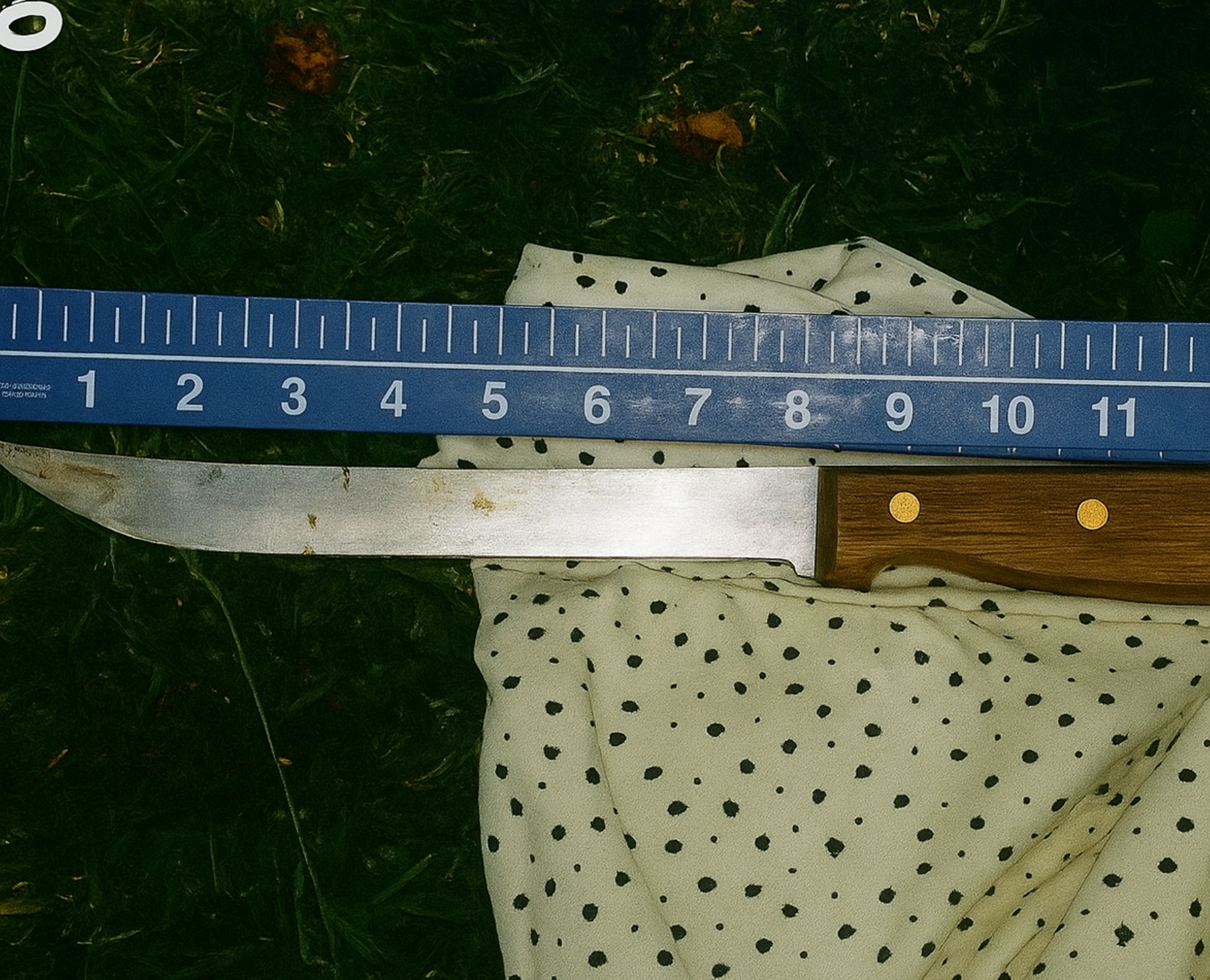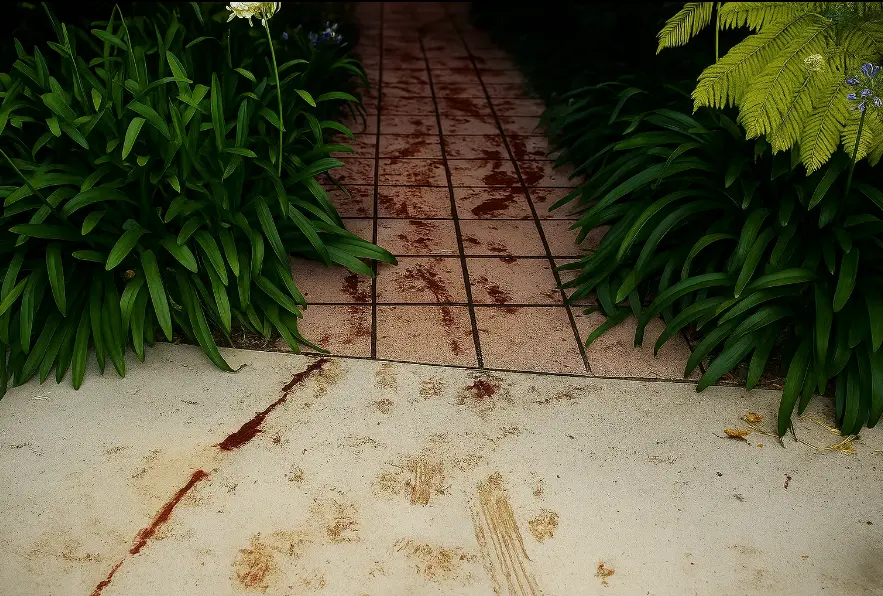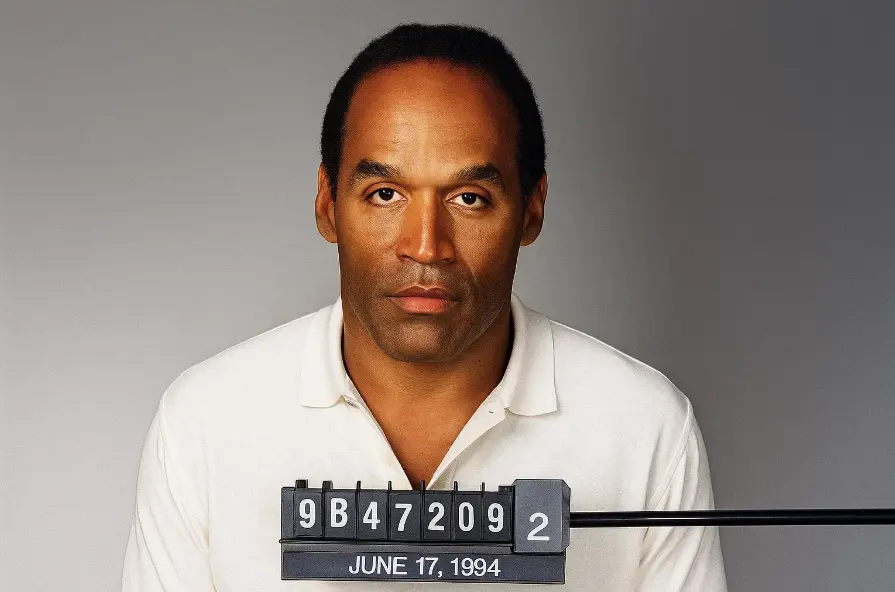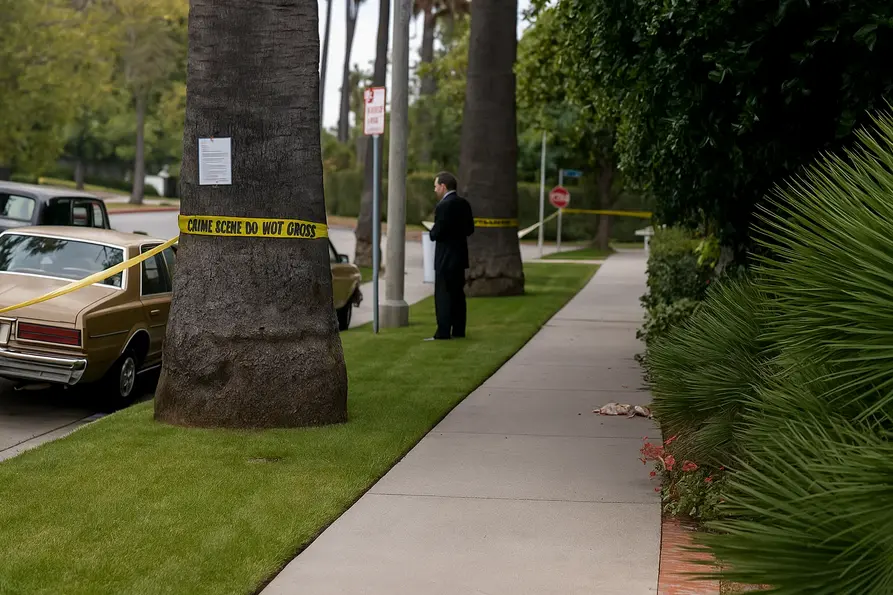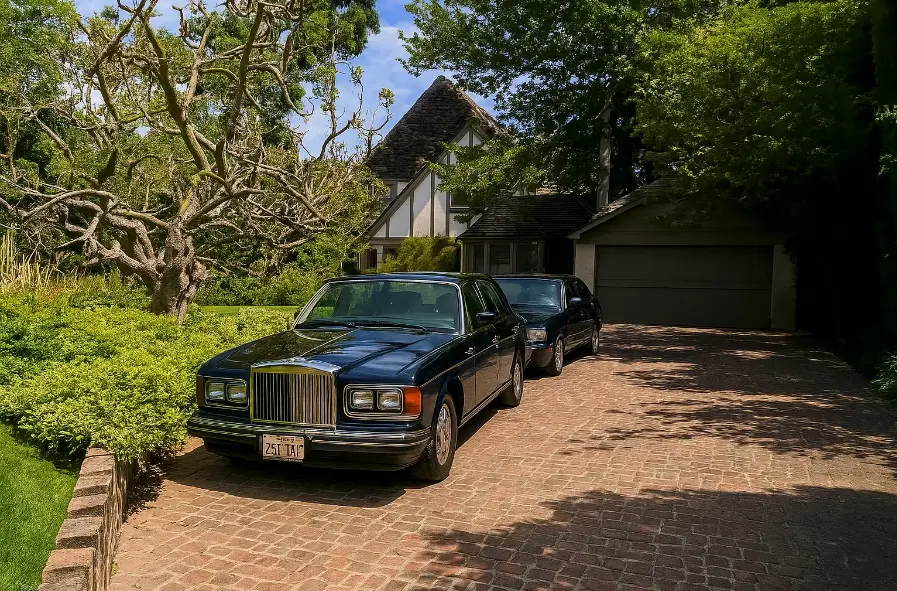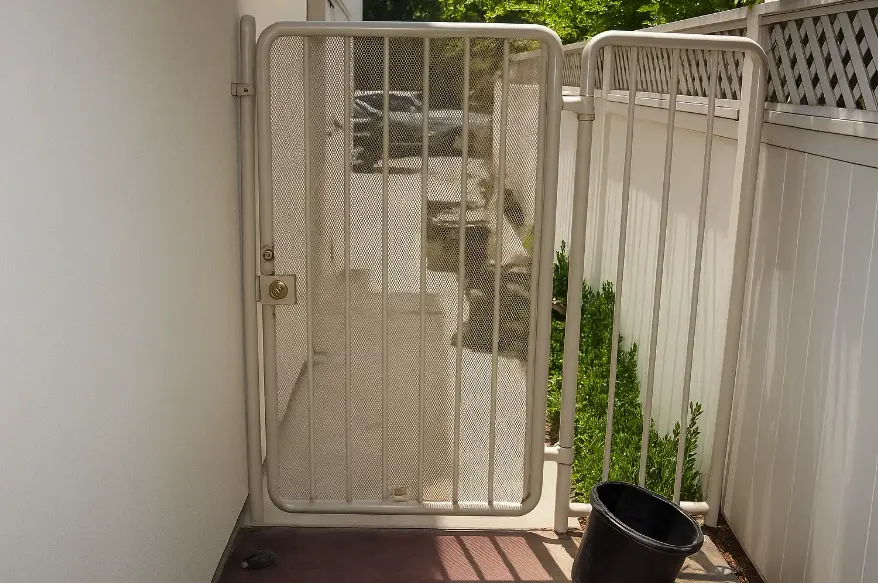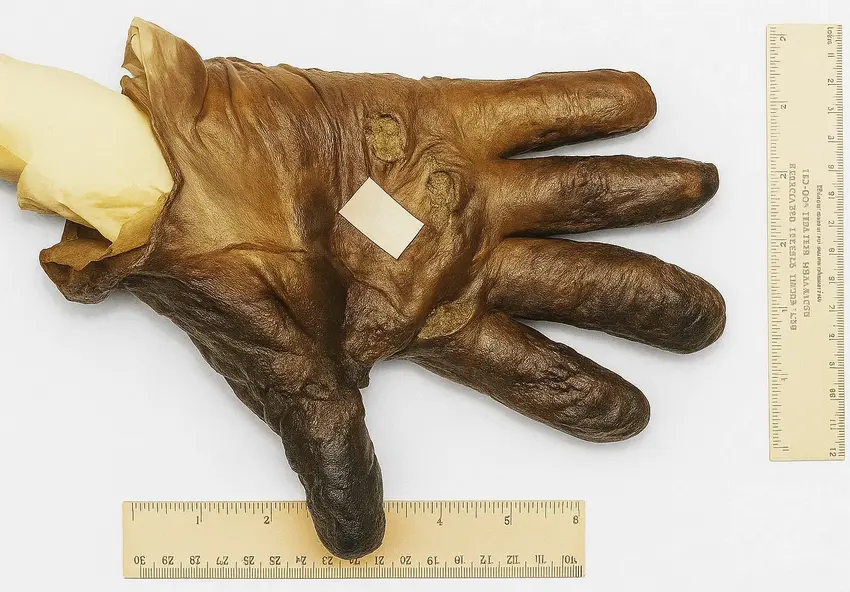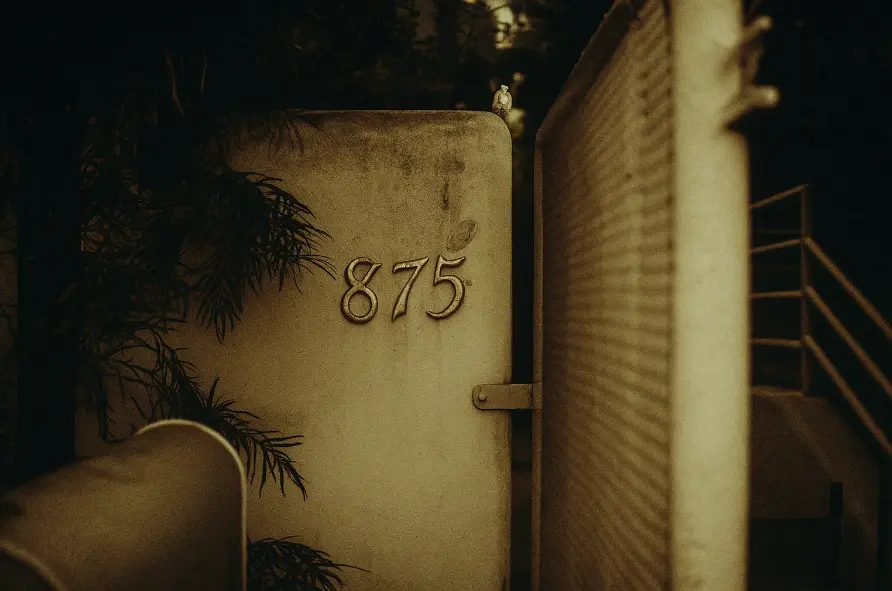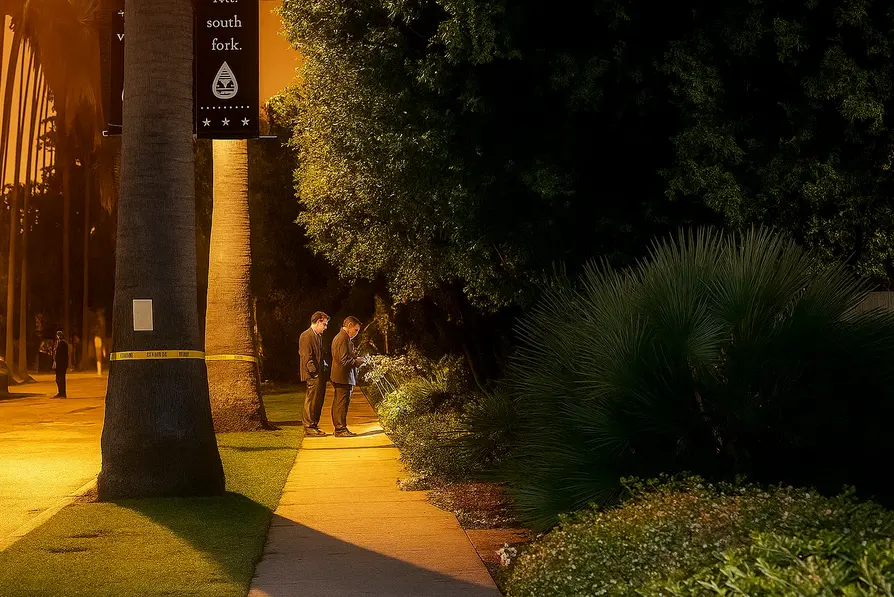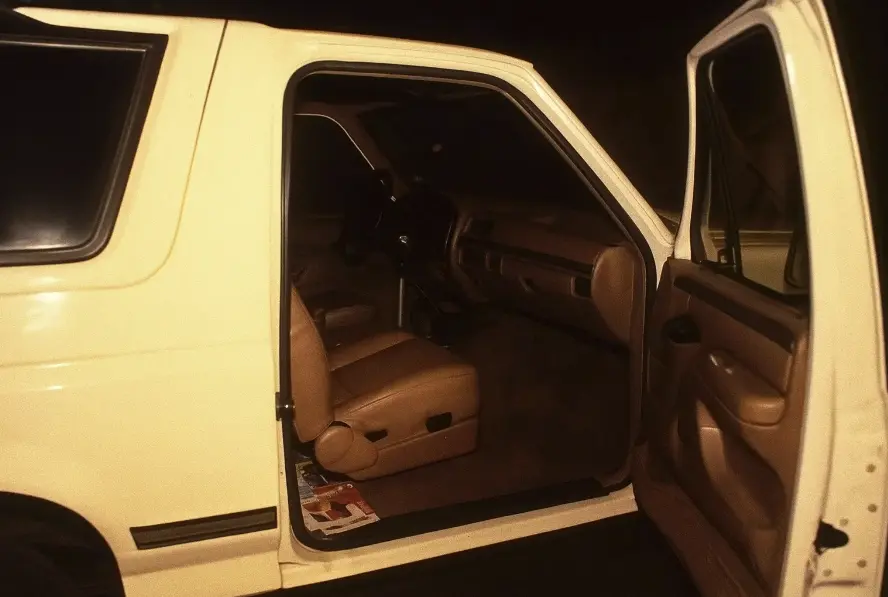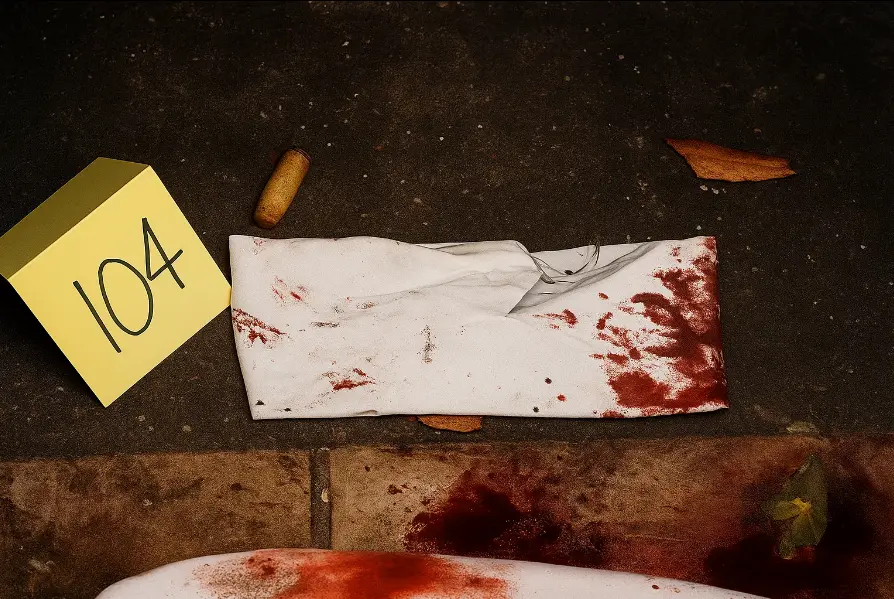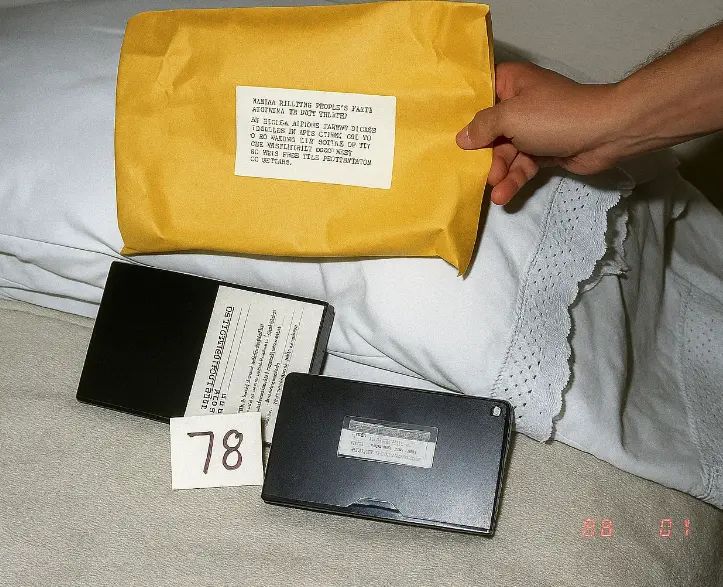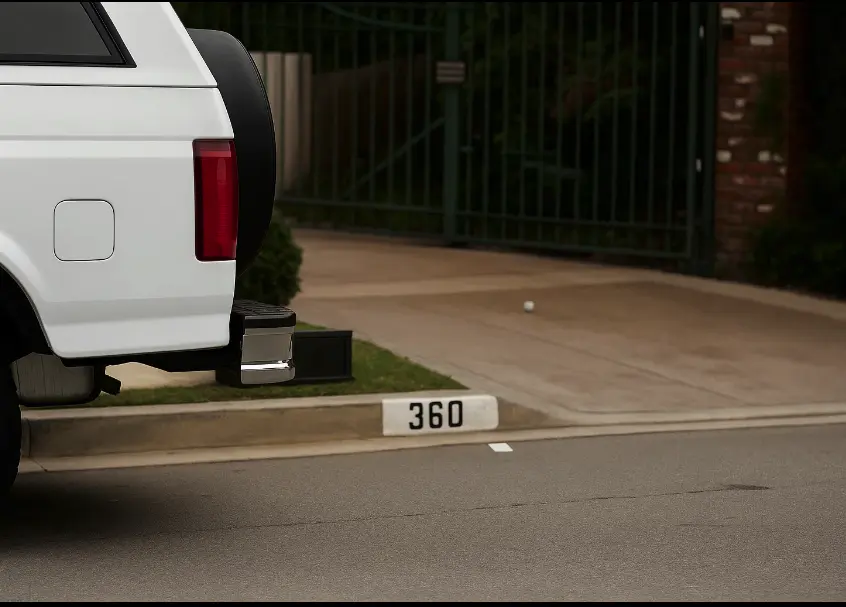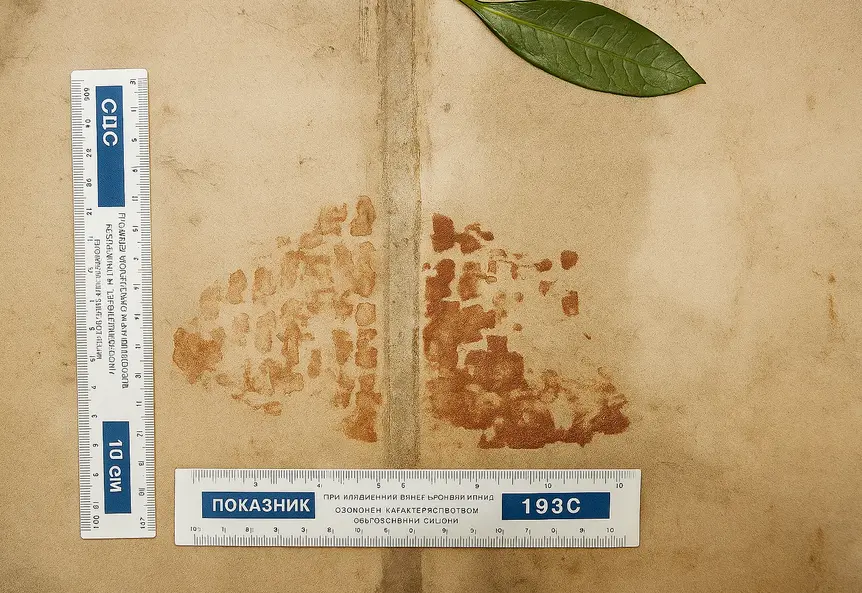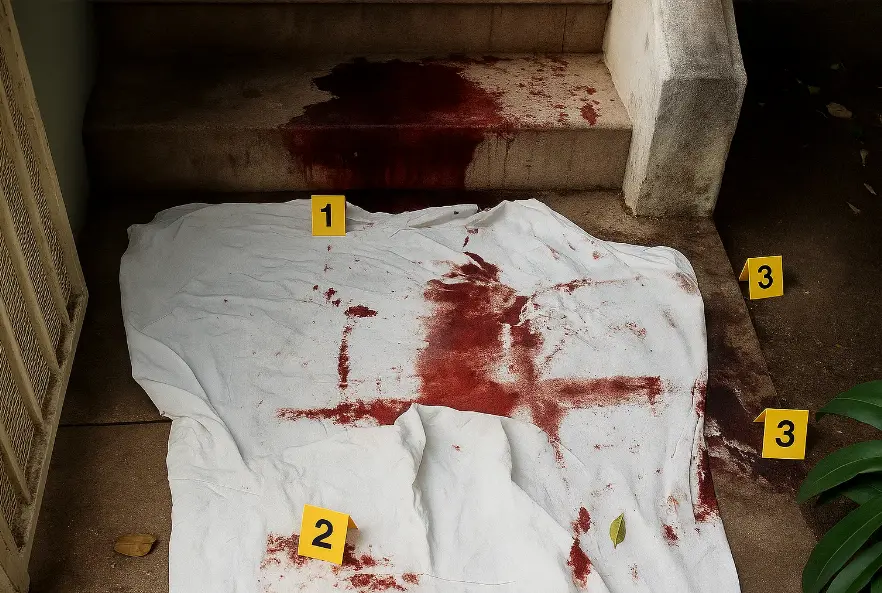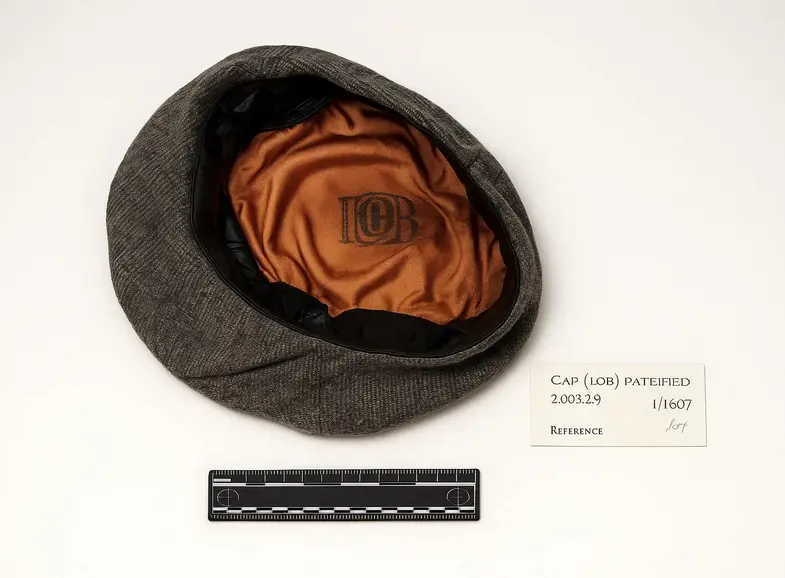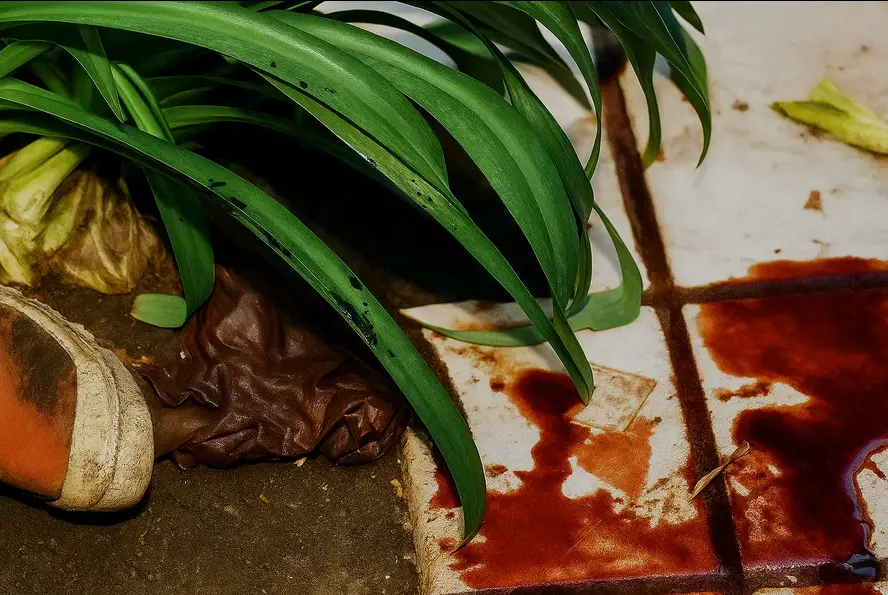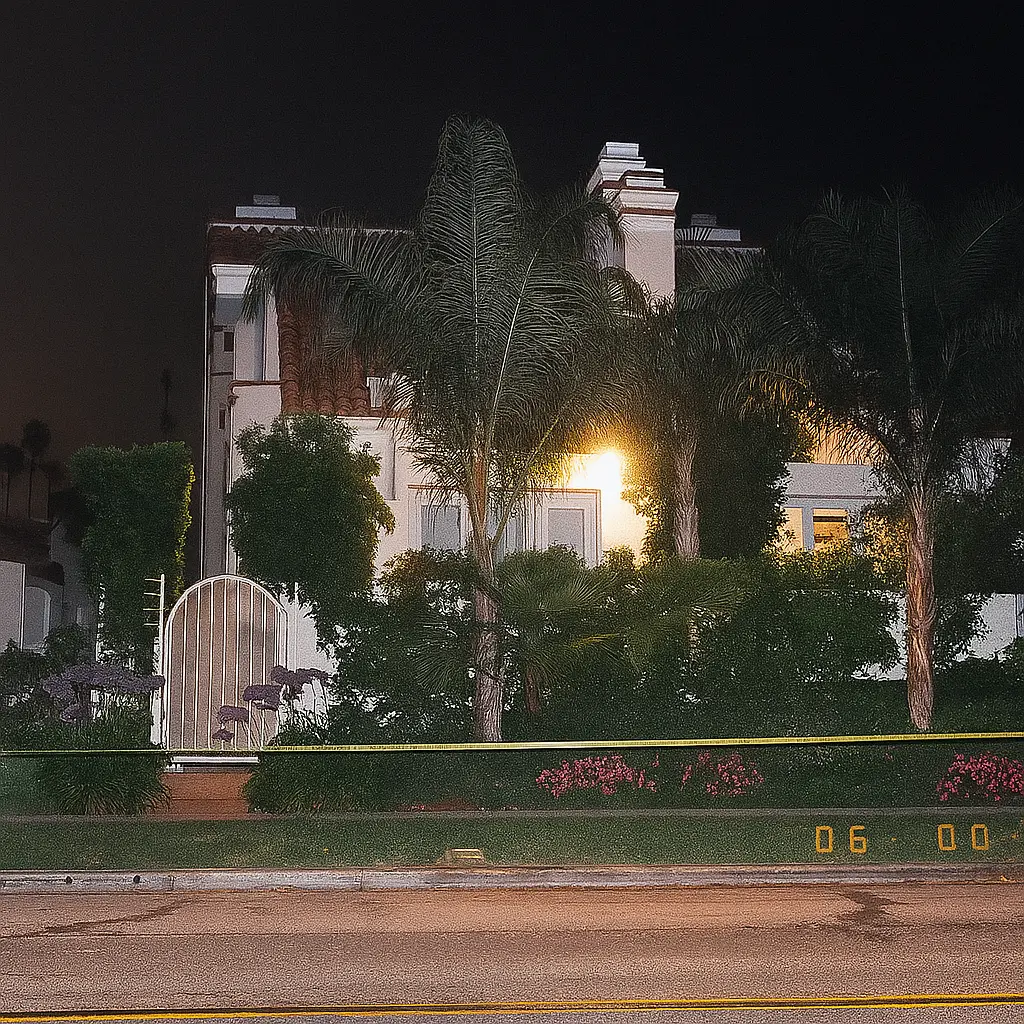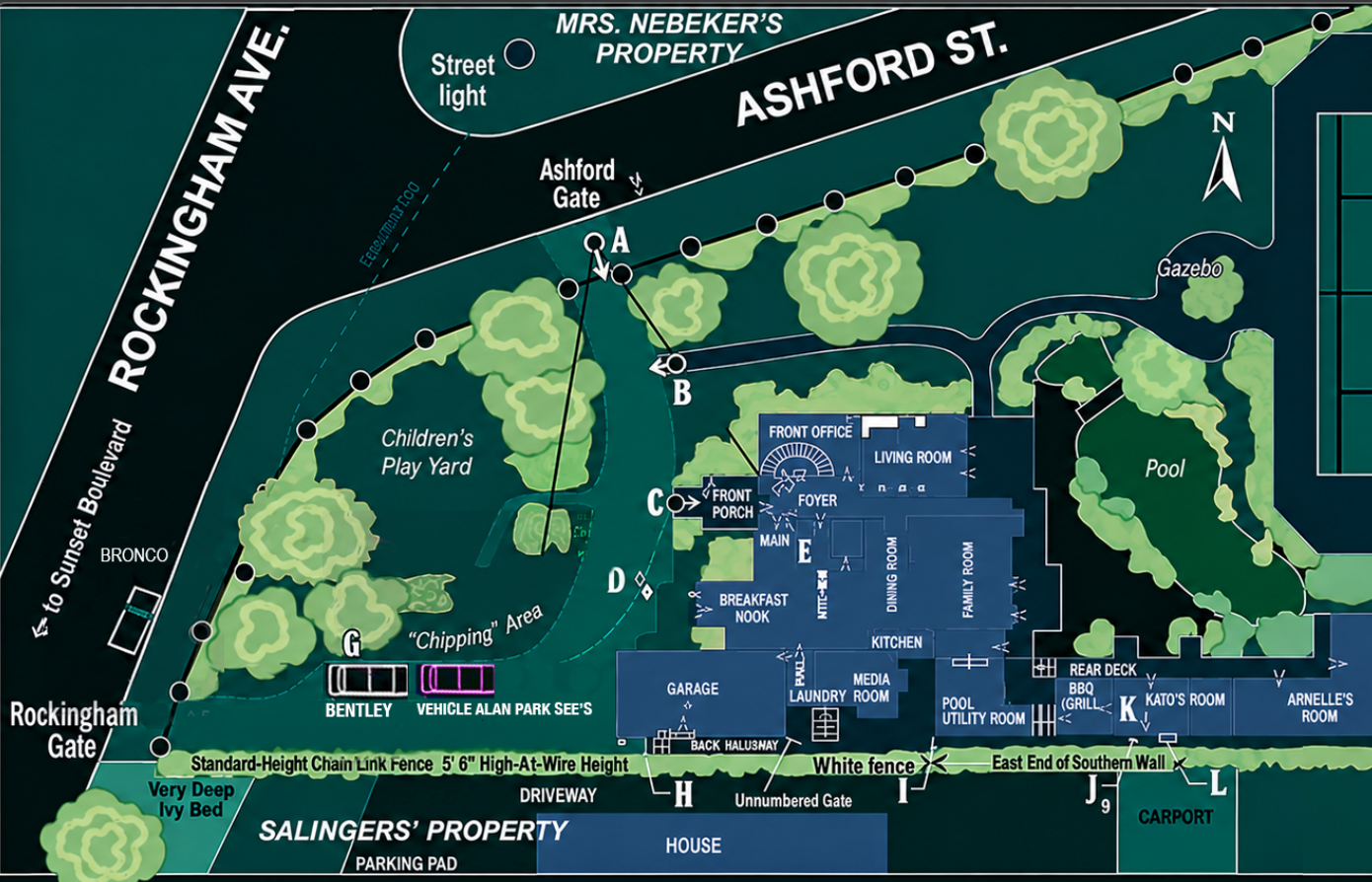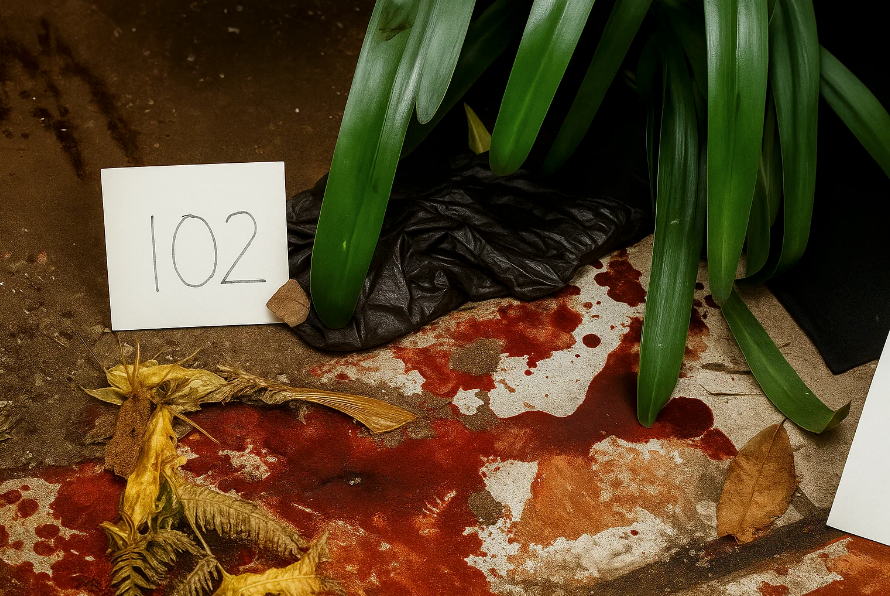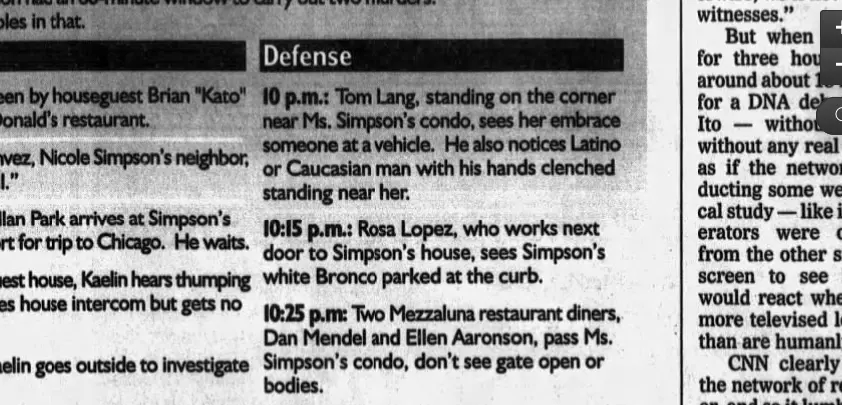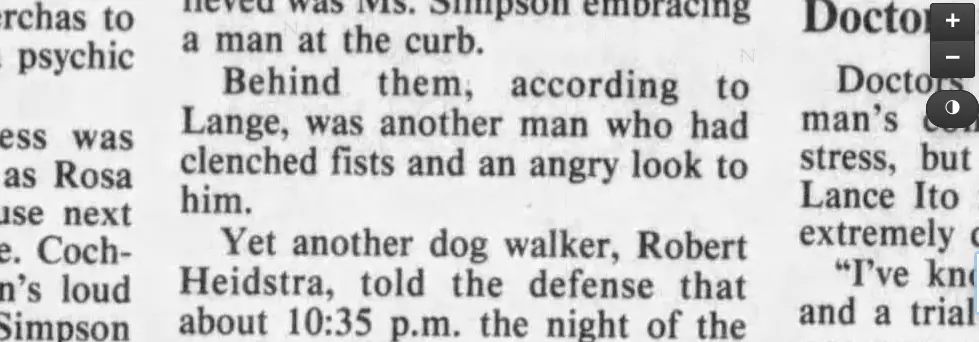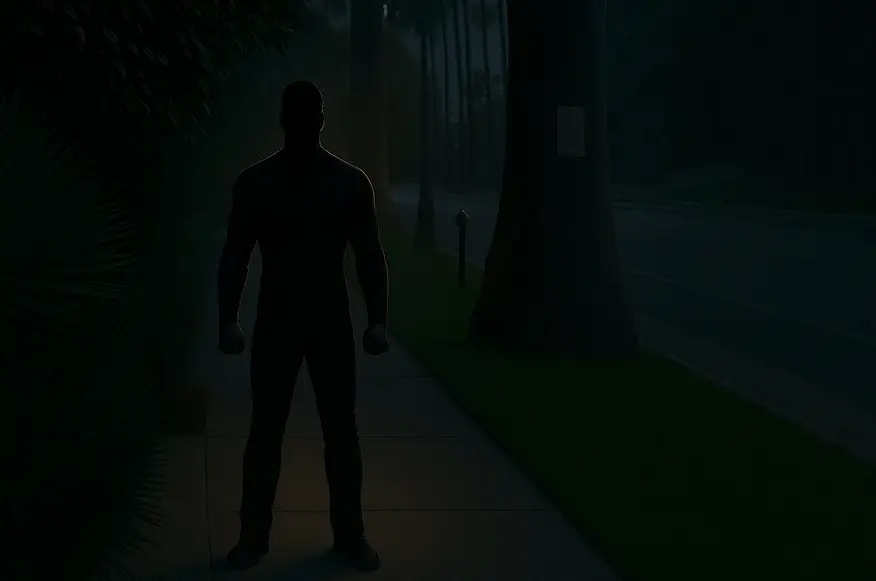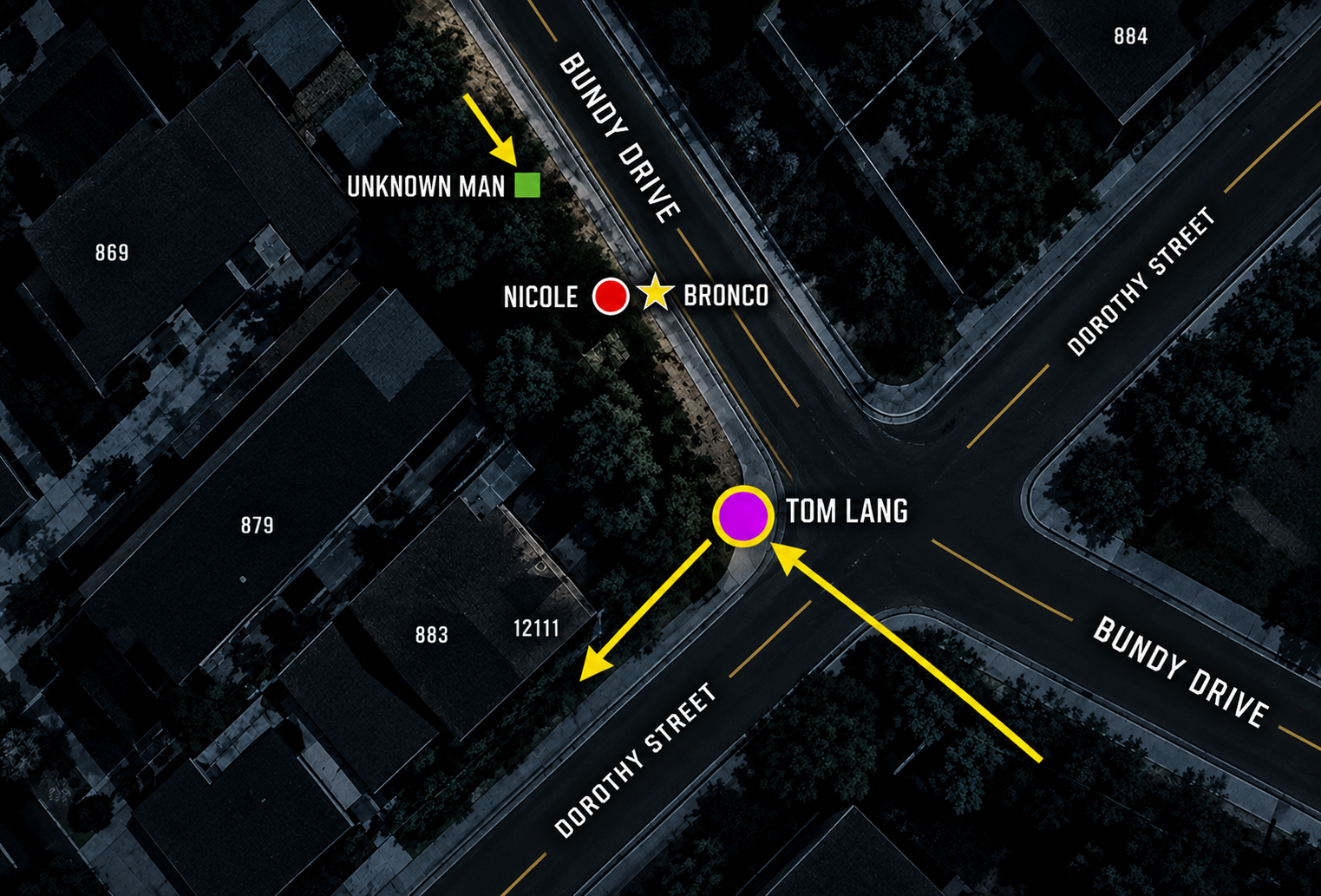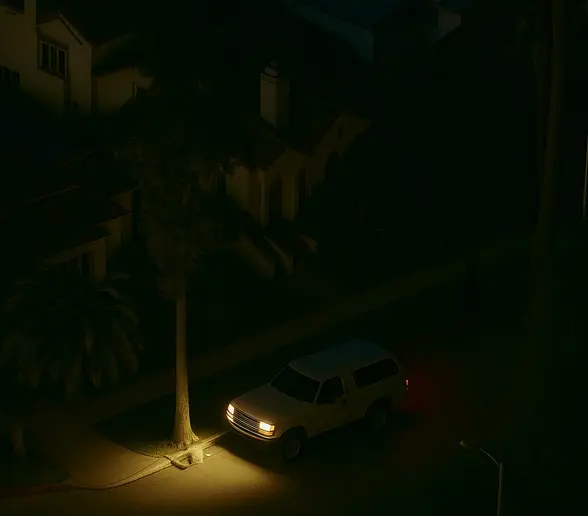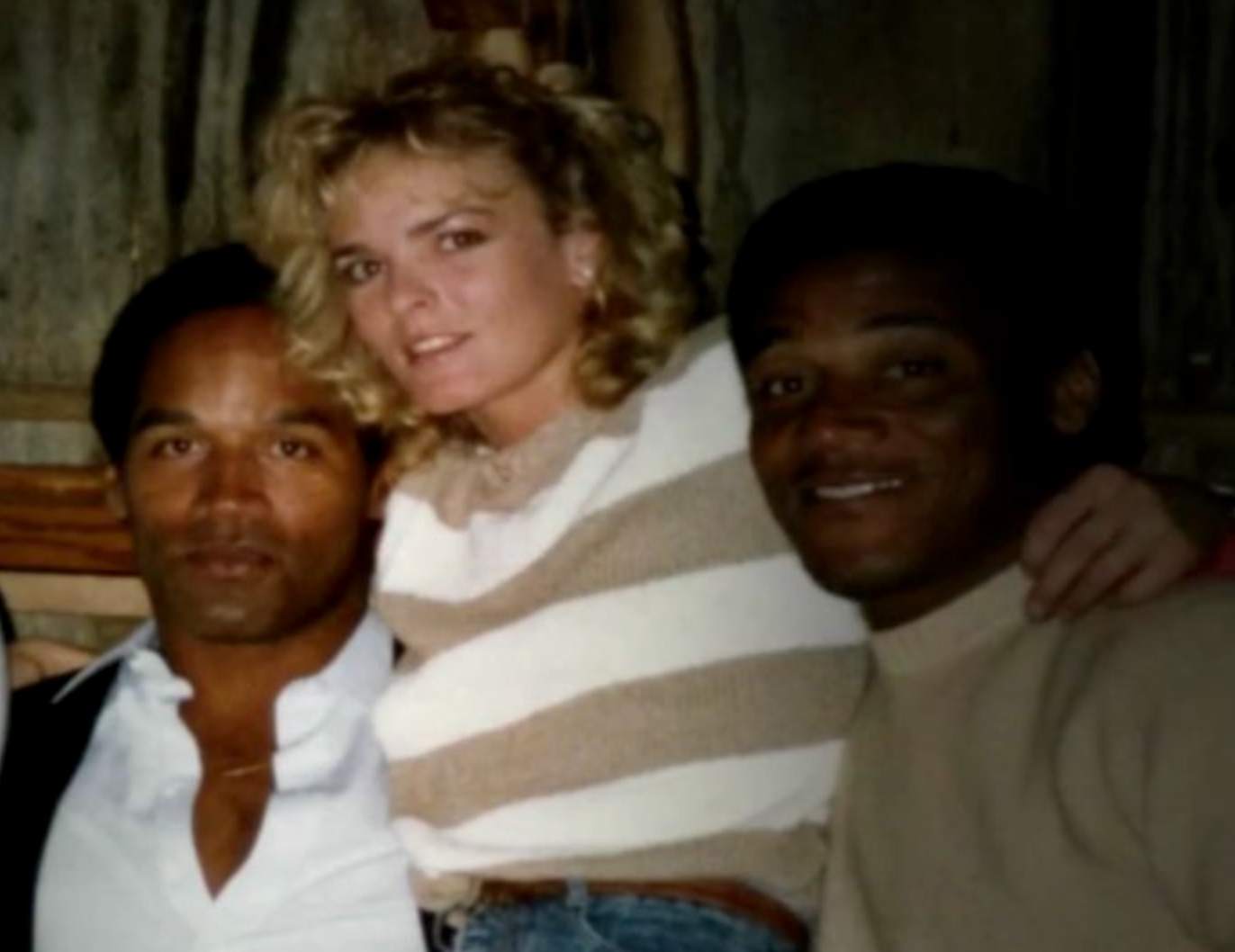


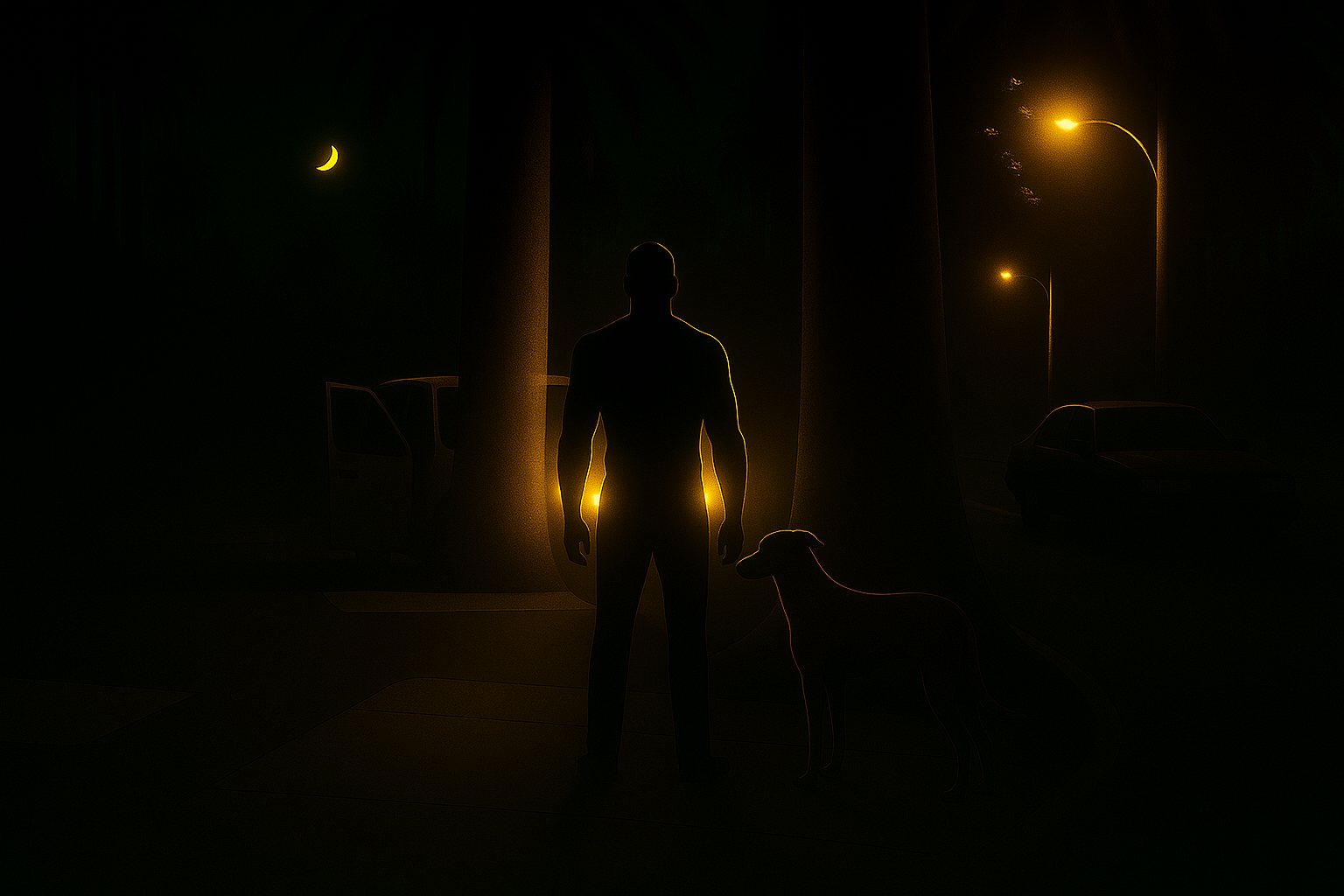
The basic prosecution theory of the murders has become the version most familiar to the public. O.J. Simpson drove from his Rockingham estate to Nicole Brown Simpson’s condominium on Bundy Drive, confronted Nicole outside her home, and attacked her. Ronald Goldman arrived during or around the assault and became the second victim. Prosecutors argued that Simpson cut his left hand during the struggle, lost a leather glove, dropped a knit cap, and carried the victims’ blood back toward the white Ford Bronco and his house. The glove, the Bronco, the blood, and the 911 calls became permanent pieces of American memory.
Yet the case remembered by the public is not identical to the case that existed in the files, testimony, interviews, and unresolved leads surrounding it. Evidence can establish identity without explaining origin. A result can be scientifically significant while the path that produced it remains disputed. A witness can be sincere and still be mistaken. A lead can be dismissed for good reason, or simply disappear beneath the weight of a prosecution moving toward trial. The argument was never only about what the evidence was. It was also about how it arrived, who handled it, and what story it was made to support.
Thirty-two years later, nearly every participant carries a settled version of that night. The prosecution had one. The defense had another. Detectives, lawyers, journalists, witnesses, friends, and spectators built narratives of their own. Time hardens those narratives. Details shift; repetition turns recollection into certainty. Stories heard often enough can begin to feel like memories. Once a person draws a line through scattered facts, every new fact is judged by whether it fits that line. Time was once an advantage to the investigation. Now it is one of its greatest complications.
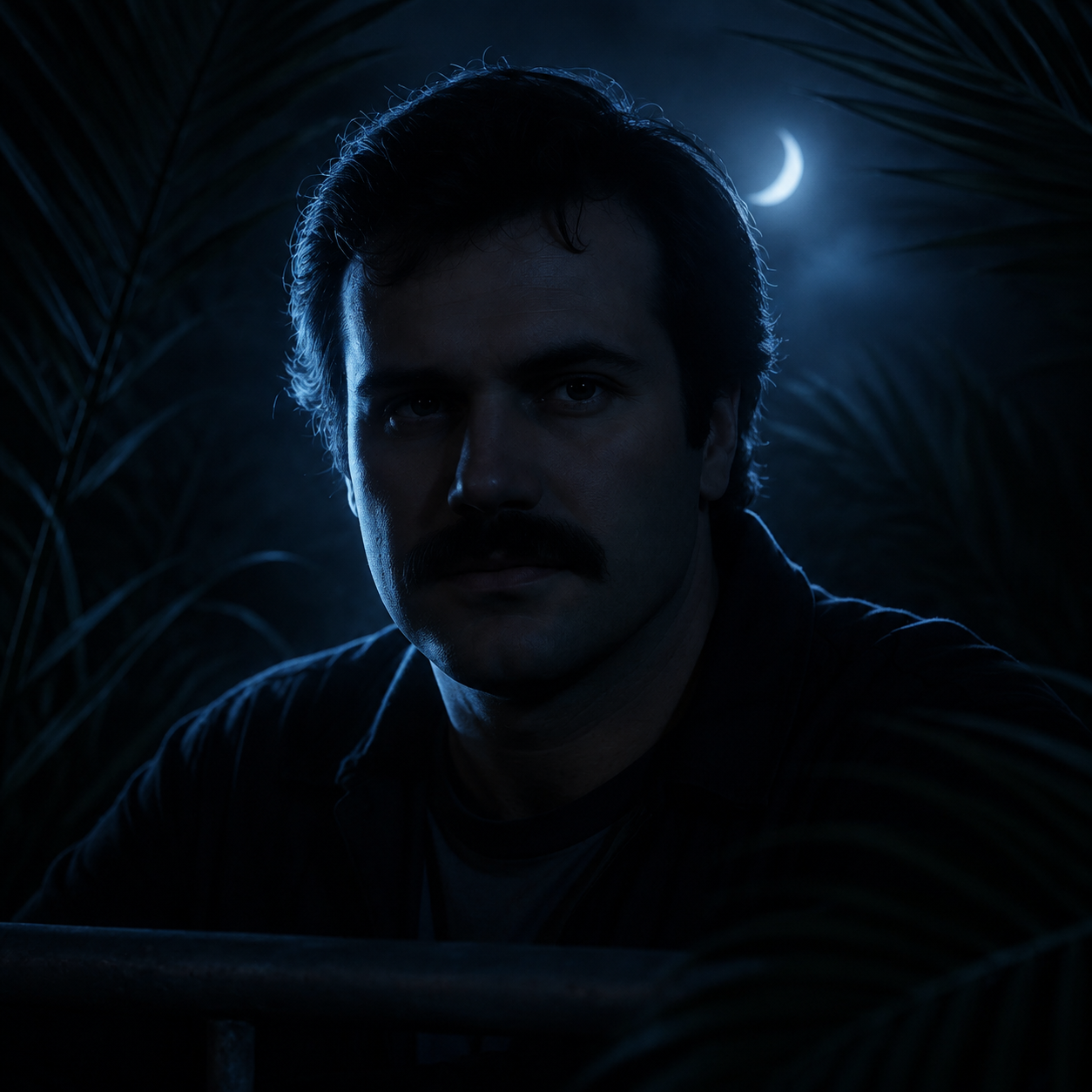
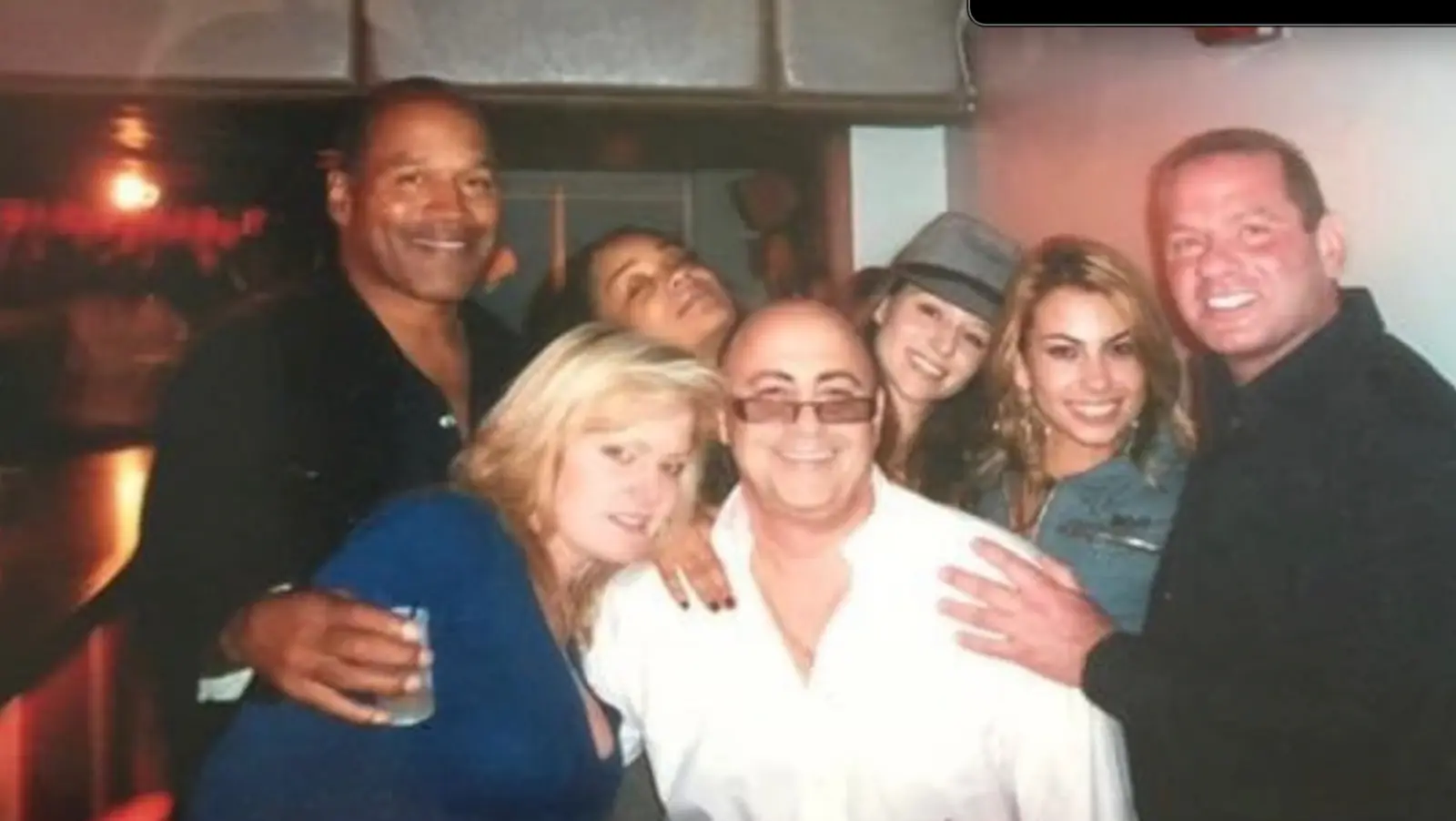
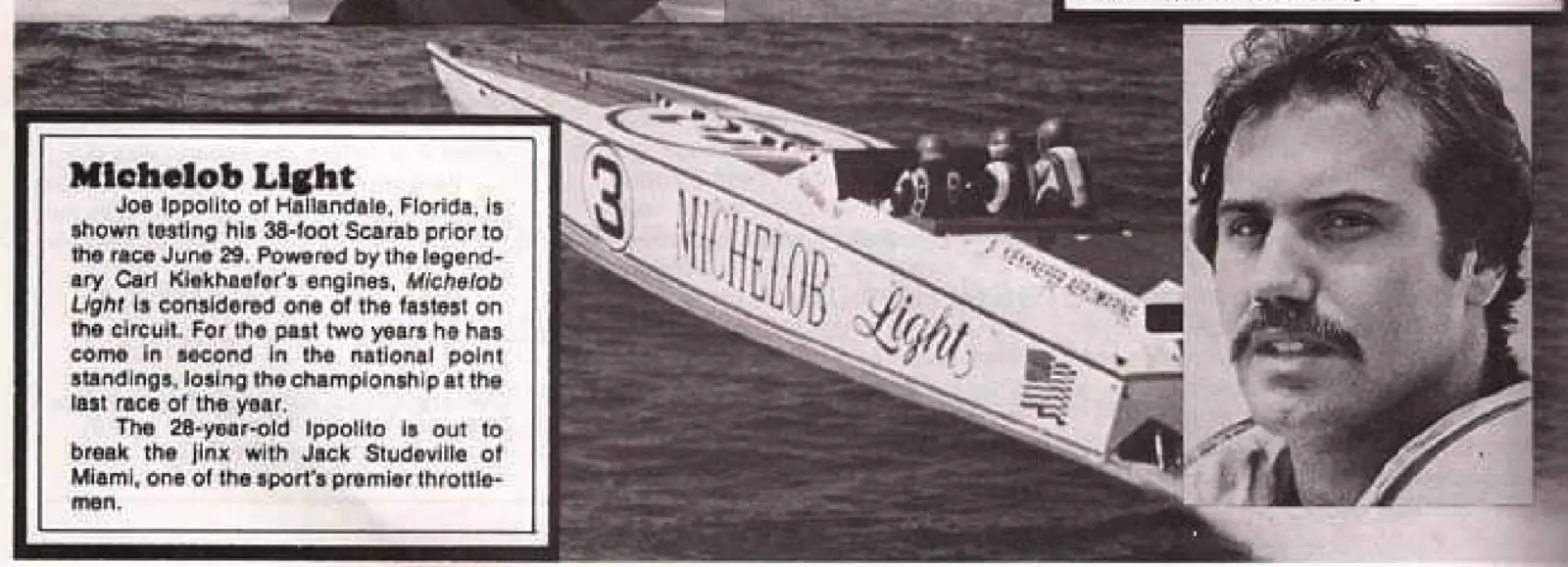
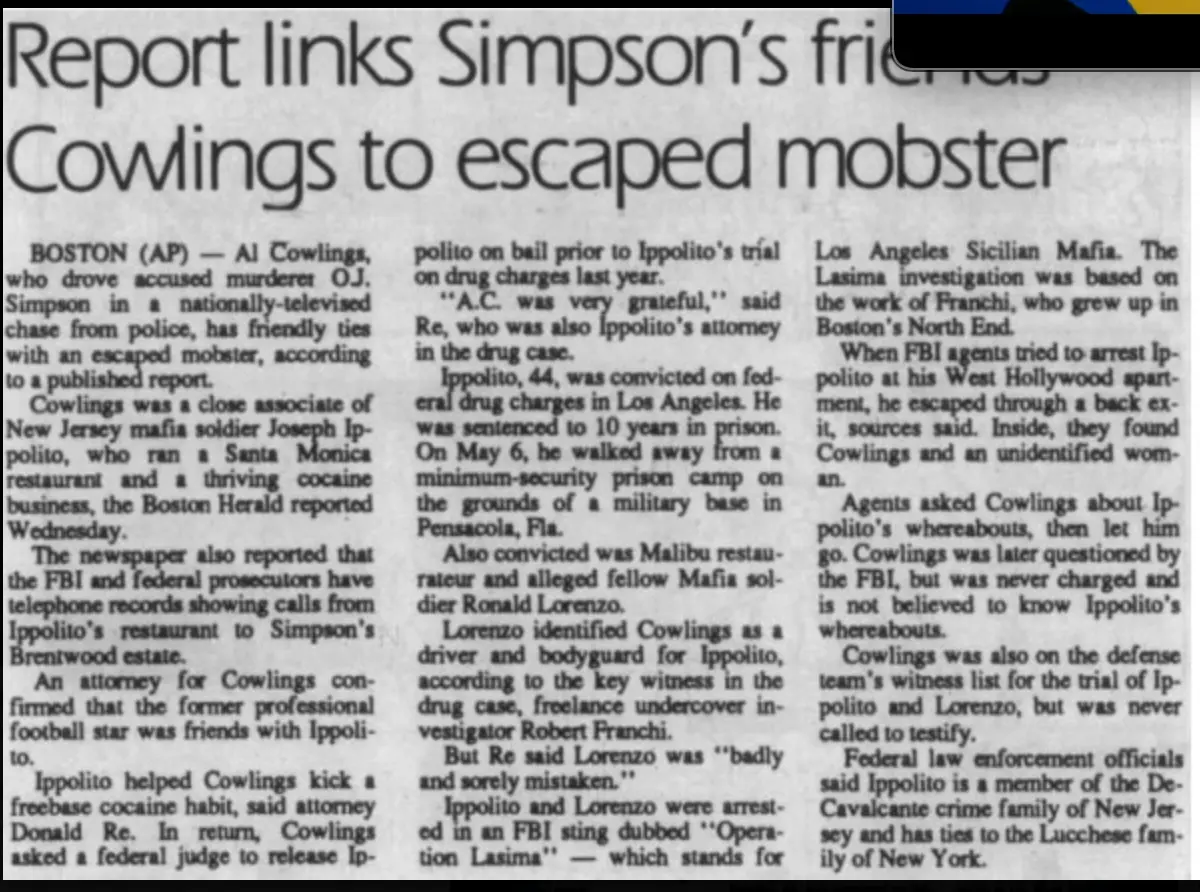
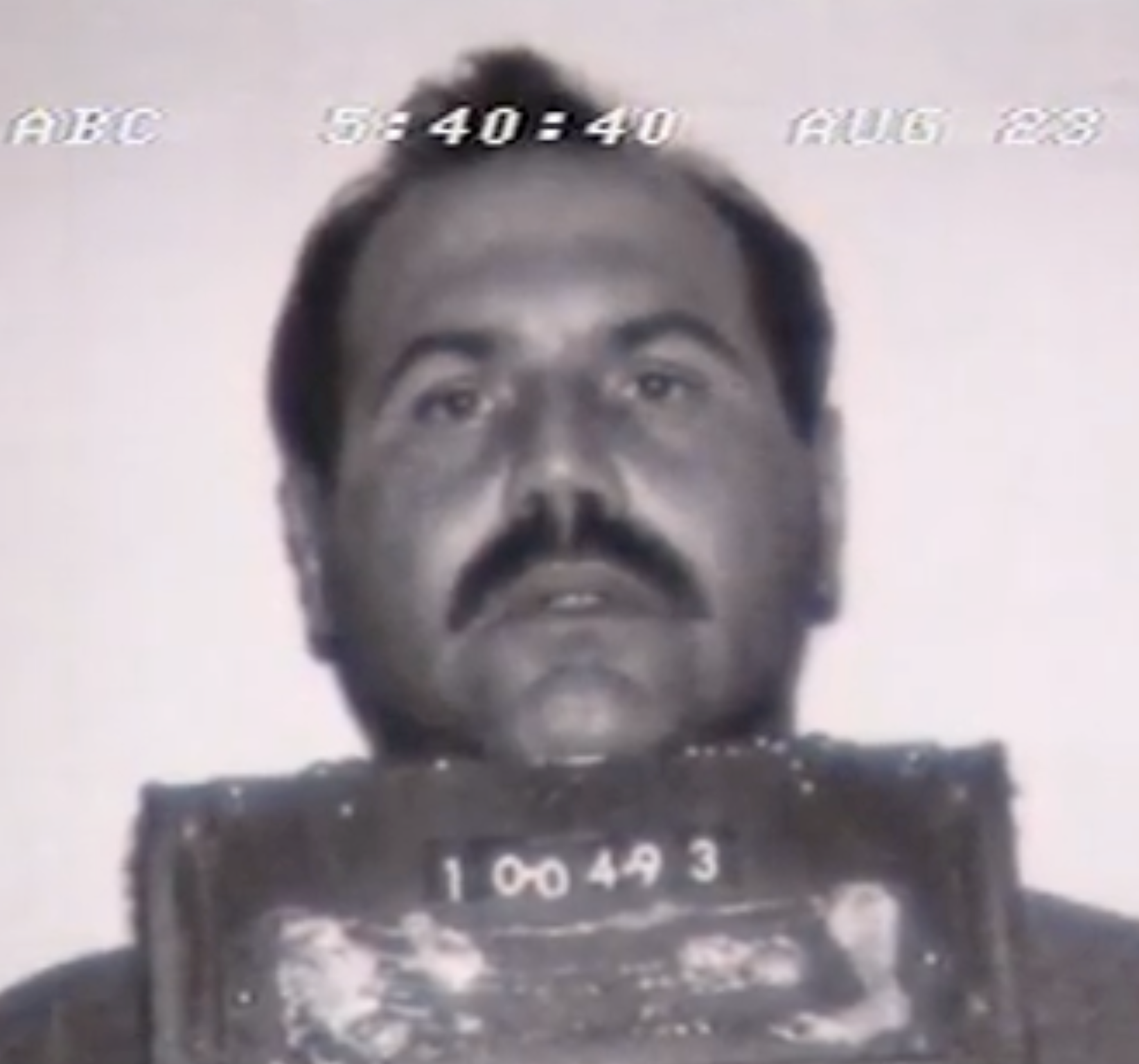
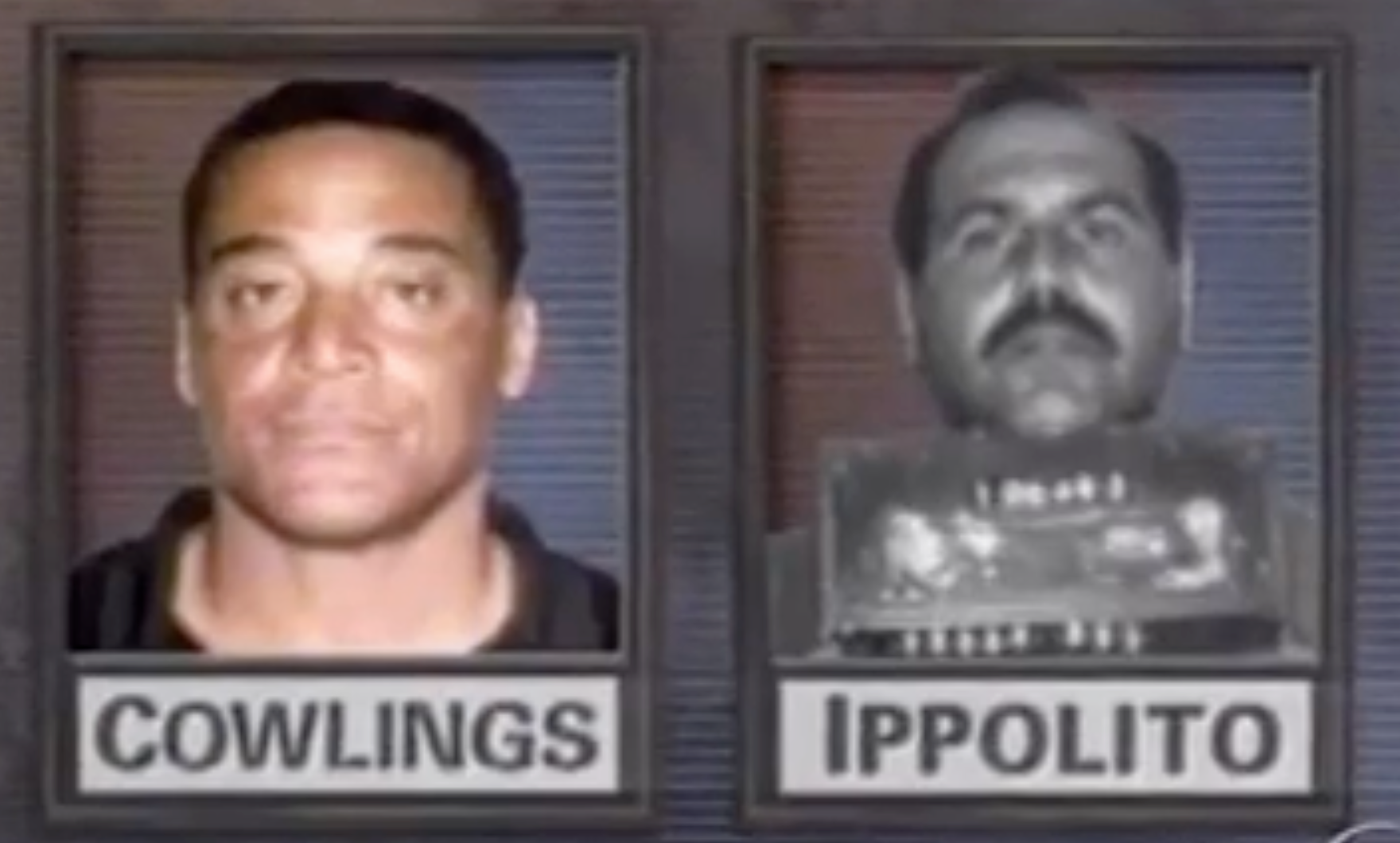
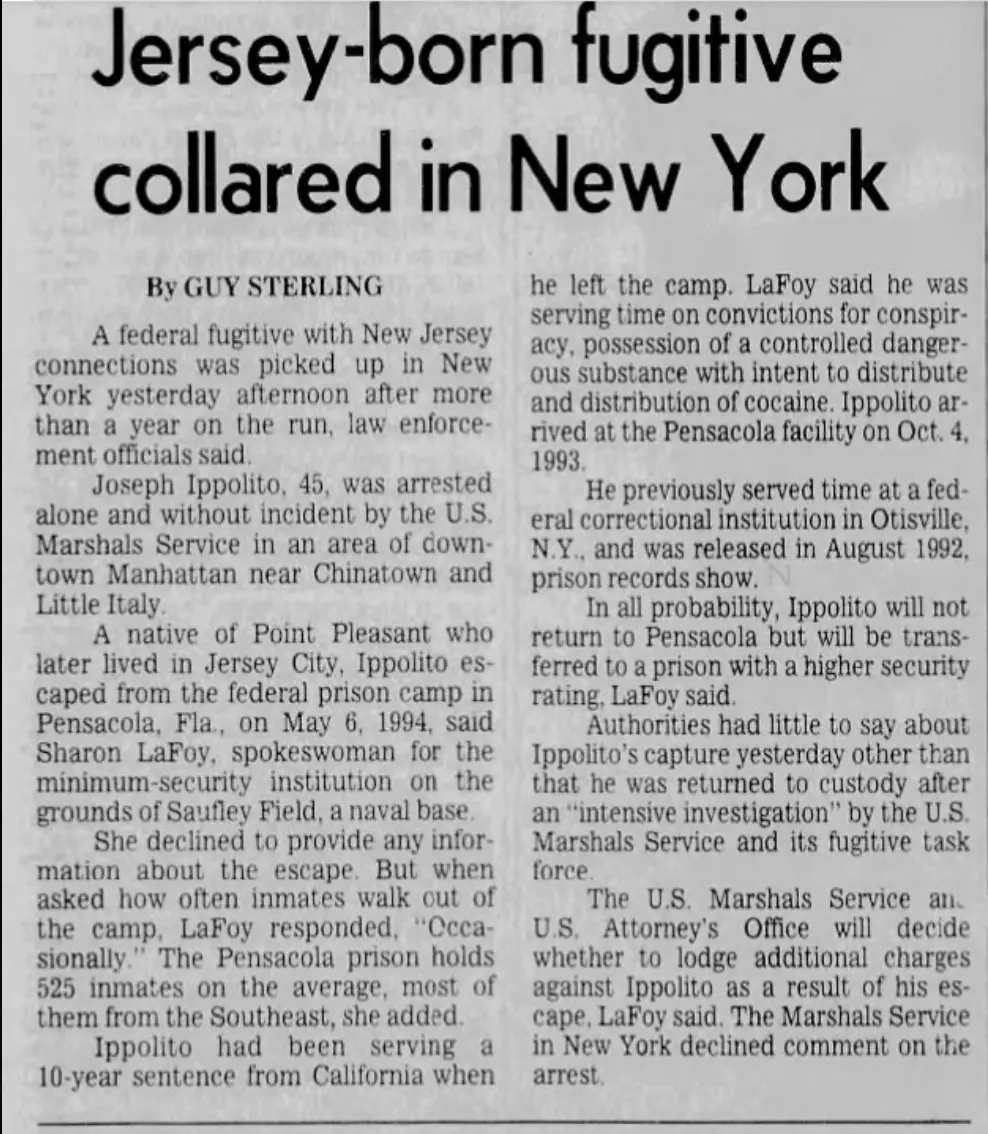
We did not begin with the belief that one hidden figure could explain everything. We began with a narrower problem: certain names and relationships appeared near the edge of the story, then vanished. Among them was Joseph “Joey” Ippolito, a man whose life passed through organized crime, narcotics trafficking, federal investigations, and cooperation with law enforcement. He was not a household name, and he never became part of the public case against Simpson. But people who knew him described a man able to move between worlds that were usually presented as separate.
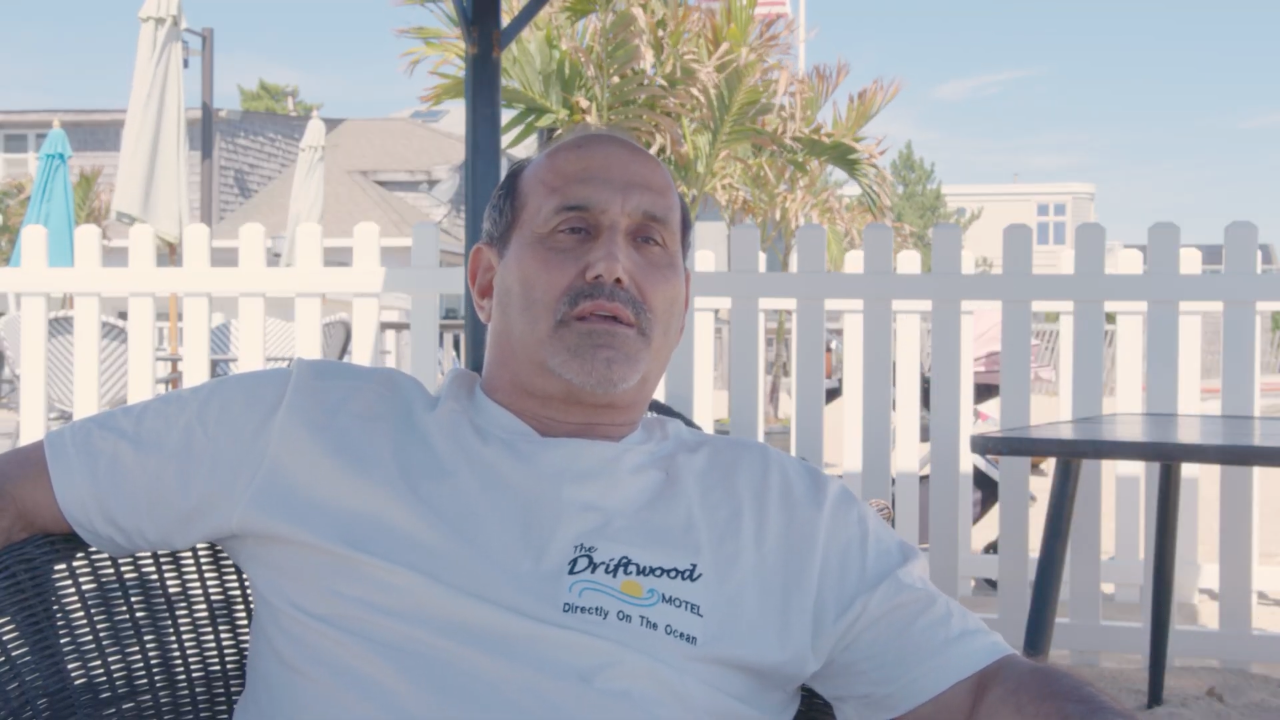
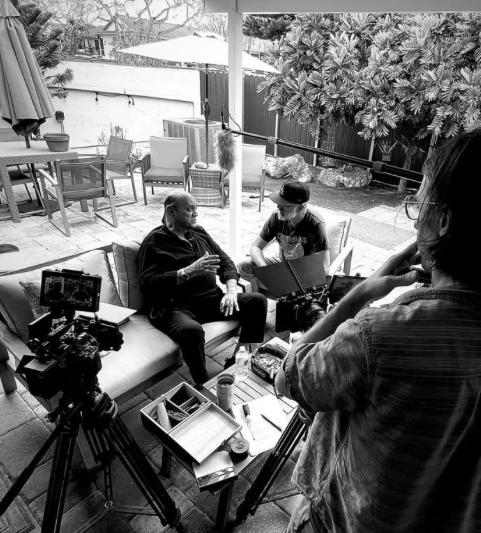
Ippolito’s story led outward—to relatives, associates, investigators, prosecutors, defense figures, and witnesses whose recollections did not always align. Some spoke on the record. Others spoke cautiously, after decades of silence. Documents supplied dates but not motives. Interviews supplied motives but sometimes blurred dates. No single source carried the whole story. The work became an exercise in comparison: placing court records beside personal accounts, federal history beside Los Angeles chronology, and old claims beside what could actually be established.
That distinction matters. This book does not present Charles Ehrlich, or any other person, as Simpson’s proven accomplice in the 1994 murders. No established evidence places Ehrlich at Bundy, inside the Bronco, or at Rockingham that night. Nor does the existence of disputed evidence prove that Simpson’s blood was planted. Claims are identified as claims; inferences remain inferences. The purpose is not to replace one rigid mythology with another. It is to show the reader where the record is solid, where it fractures, and where important questions were left unfinished.
The title refers to more than a person standing beside another at a crime scene. An accomplice can be a facilitator, a courier, a protector, a source, a fixer, or an institution that chooses not to look too closely. It can be a relationship that opens a door, a secret traded for leverage, or a useful story allowed to survive. The Simpson case unfolded inside Los Angeles celebrity culture, but its edges touched gambling, drugs, organized crime, informants, private investigators, and federal power. Those worlds did not begin on June 12, 1994, and they did not disappear after the verdict.
Our investigation follows those edges. It reconstructs meetings and calls, revisits witnesses pushed outside the dominant timeline, and tests stories that grew larger with every retelling. It asks why some information reached prosecutors while other information stalled, why certain people were treated as central and others as noise, and how the machinery around a famous defendant shaped what the public could see. The answers are rarely clean. Some close doors on old myths. Others reveal that the door was never fully examined.
This is also the story of pursuing history while the people who made it are disappearing. Memory weakens. Records remain sealed, fragmented, or incomplete. Participants die, retreat, contradict themselves, or decide that silence is safer. Every interview therefore presents two questions: what is being said, and why is it being said now? Credibility cannot be granted because a story is dramatic, nor denied because it is inconvenient. It has to be tested against the record, against other witnesses, and against the speaker’s own history.
What emerged was not a simple alternate solution to the murders. It was a larger portrait of the networks surrounding the most examined defendant of the twentieth century, and of the ways information travels through investigators, criminals, lawyers, journalists, and friends. The familiar case remains in view, but the borders change. People once treated as footnotes become consequential. Events that appeared isolated begin to share names, places, and intermediaries. The map expands, and with it the possibility that the public argument was drawn too narrowly from the beginning.
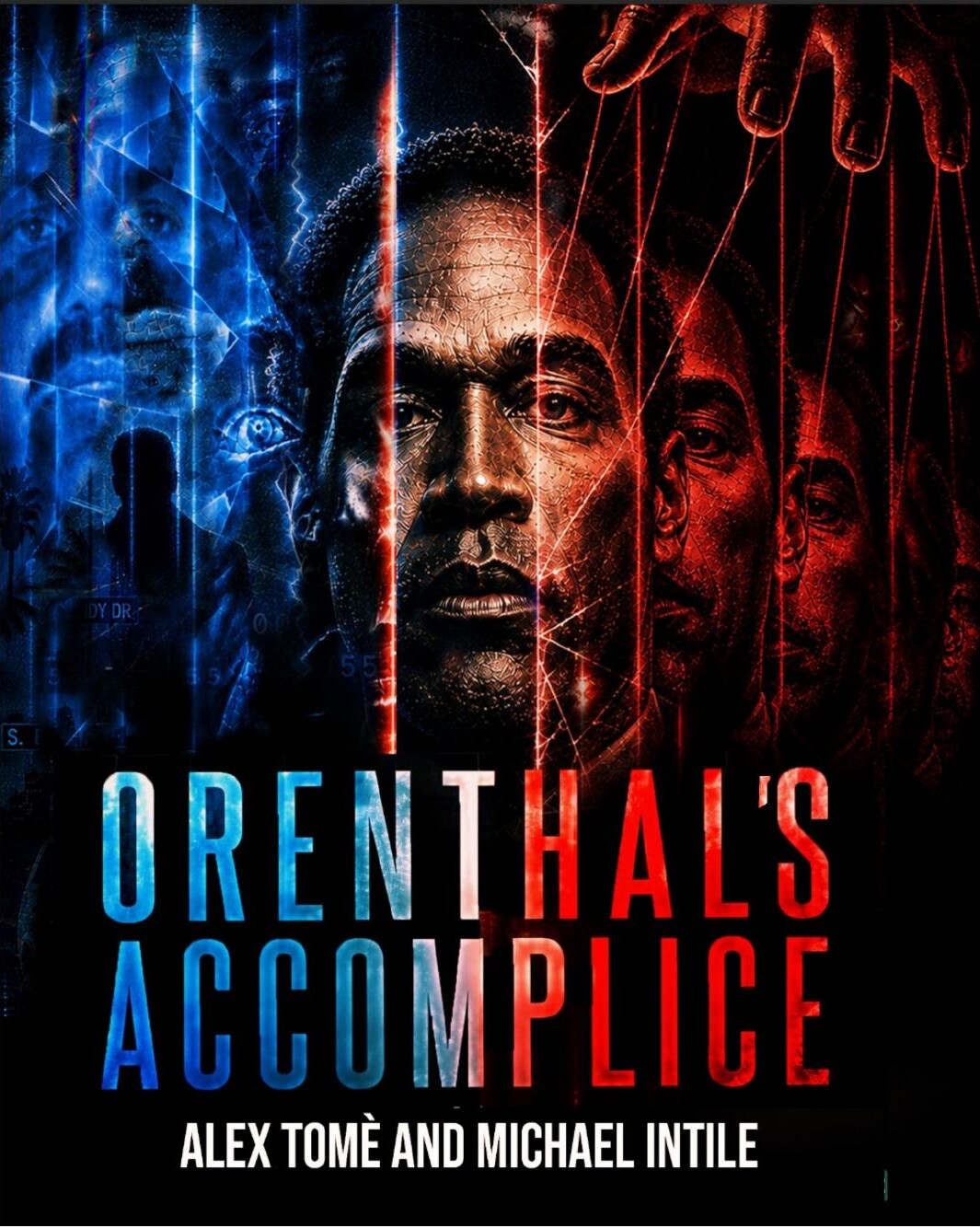
Orenthal’s Accomplice does not ask readers to abandon what they know. It asks them to examine how they came to know it. The verdict ended the criminal trial, but it did not resolve every contradiction, explain every relationship, or determine the origin of every story carried into the case. We found new connections. We eliminated myths. We opened records and returned to witnesses. What remains is a puzzle—not because nothing can be known, but because some of the most important pieces may have always existed beyond the frame.